
Summary of Article:
- Preparation reduces flight training time and cost
- Listening to ATC builds situational awareness
- Learning continues every flight, even after certification
- Practicing fundamentals prevents skill fade
- Clear communication improves instruction and safety
- Safety should guide every pilot’s decision
September has arrived – time for “back-to-school” and new beginnings. To celebrate the season, we asked some Certified Flight Instructors and experienced pilots for tips to make the most of flight instruction and to maintain top piloting skills. Whether you’re working on a pilot certification or aviation program or you’ve been flying for years, you’ll find good advice here to help keep your skills and knowledge sharp.
Is Doing Homework Before a Flight Lesson Important?
Experts agree, doing your homework not only makes you a better pilot, but it can also have a big impact on the cost of your flight instruction.
Jeff York, Chief Pilot at the Aero Club at the United States Air Force Air Academy told us
One of the big things [a student] can do is prepare for the lesson…if we have to do the maneuver over or I have to explain it while we’re in the air, it’s just going to take them longer and cost them more money.
You’re charged by the hour for flight time, so being prepared helps you complete your certificate faster and within your budget.
Can Listening to ATC Improve Situational Awareness?
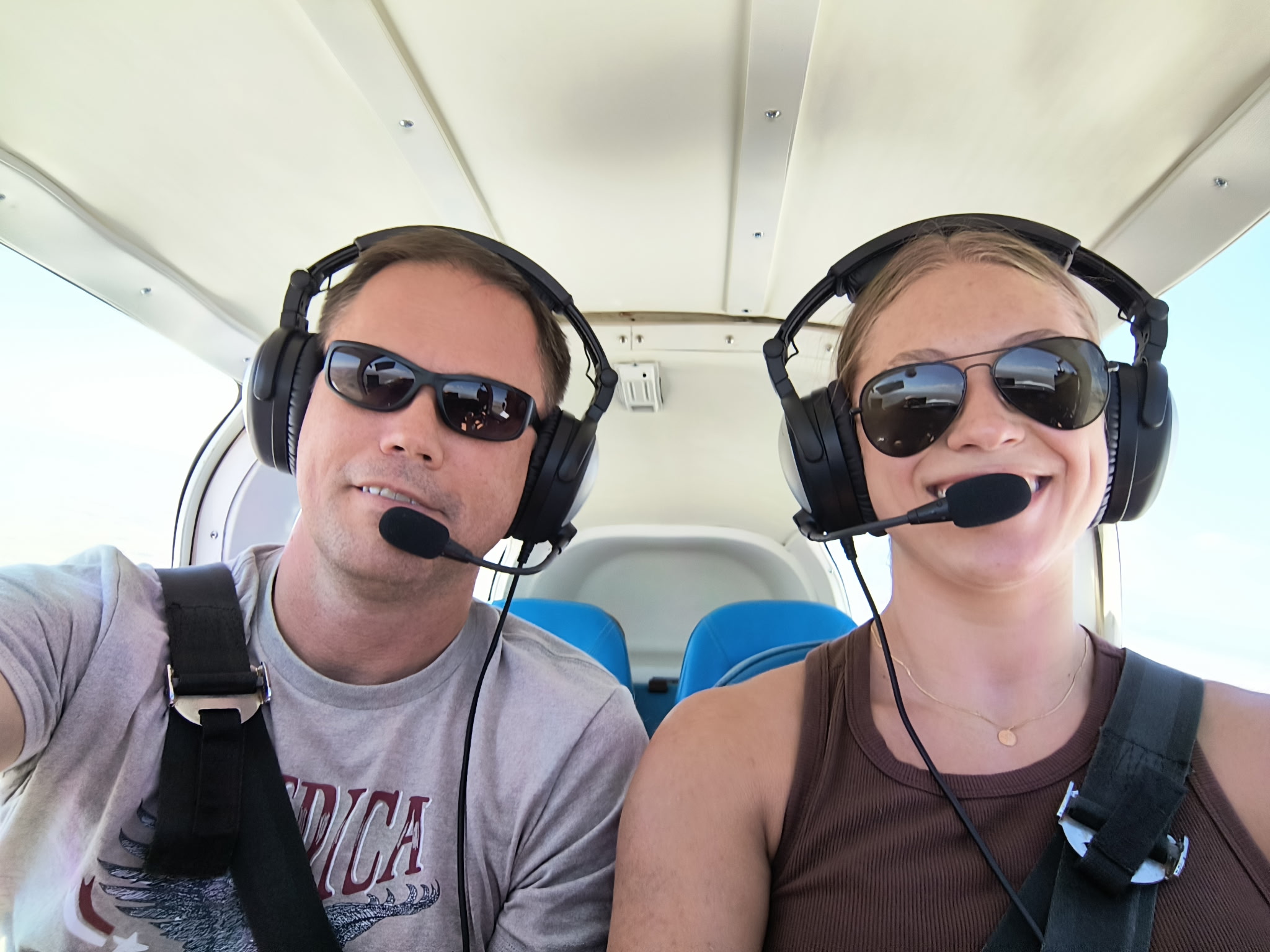
Preparing for specific maneuvers can be a huge help, but don’t neglect studying the things that apply to every flight. Pedro Fonseca Giafferis, a CFI based near Vancouver, British Columbia, tells all his students to listen to ATC live on their headphones when they’re not at the airport.
The situational awareness is something that’s so important, and a lot of people miss it because they’re waiting for their ident to come up on the radio before they reply.
If you’re also listening to what ATC is telling others, it can help you build that situational awareness and anticipate what you may need to do next.

Should Pilots Continue Their Education After Certification?
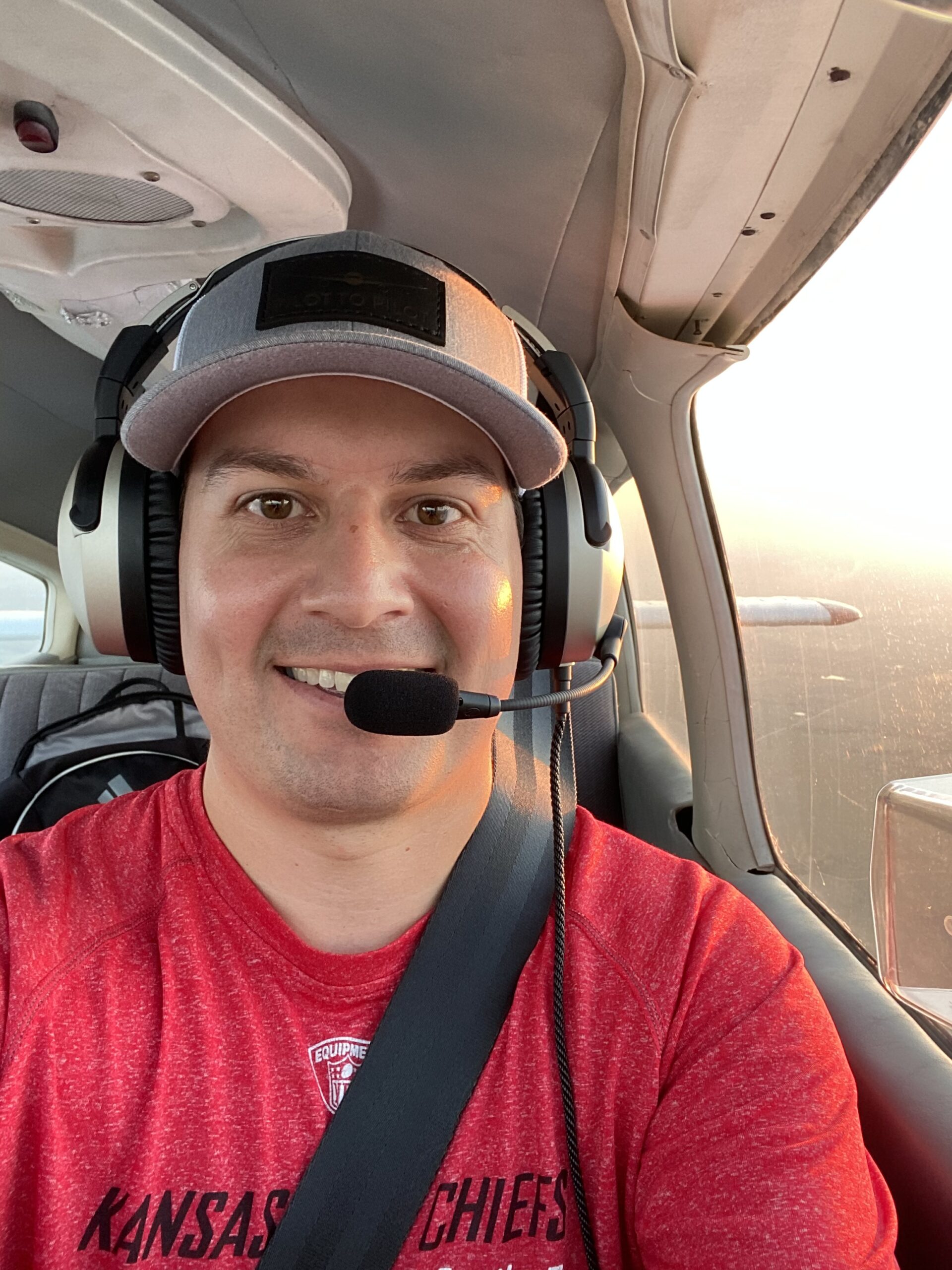
A common theme from our experts was that both student pilots and current pilots should plan to keep learning. Tyler Koonce, a current corporate pilot who has worked as a CFI summed it up nicely:
You will learn something on every flight the rest of your life. It happens every time I fly.
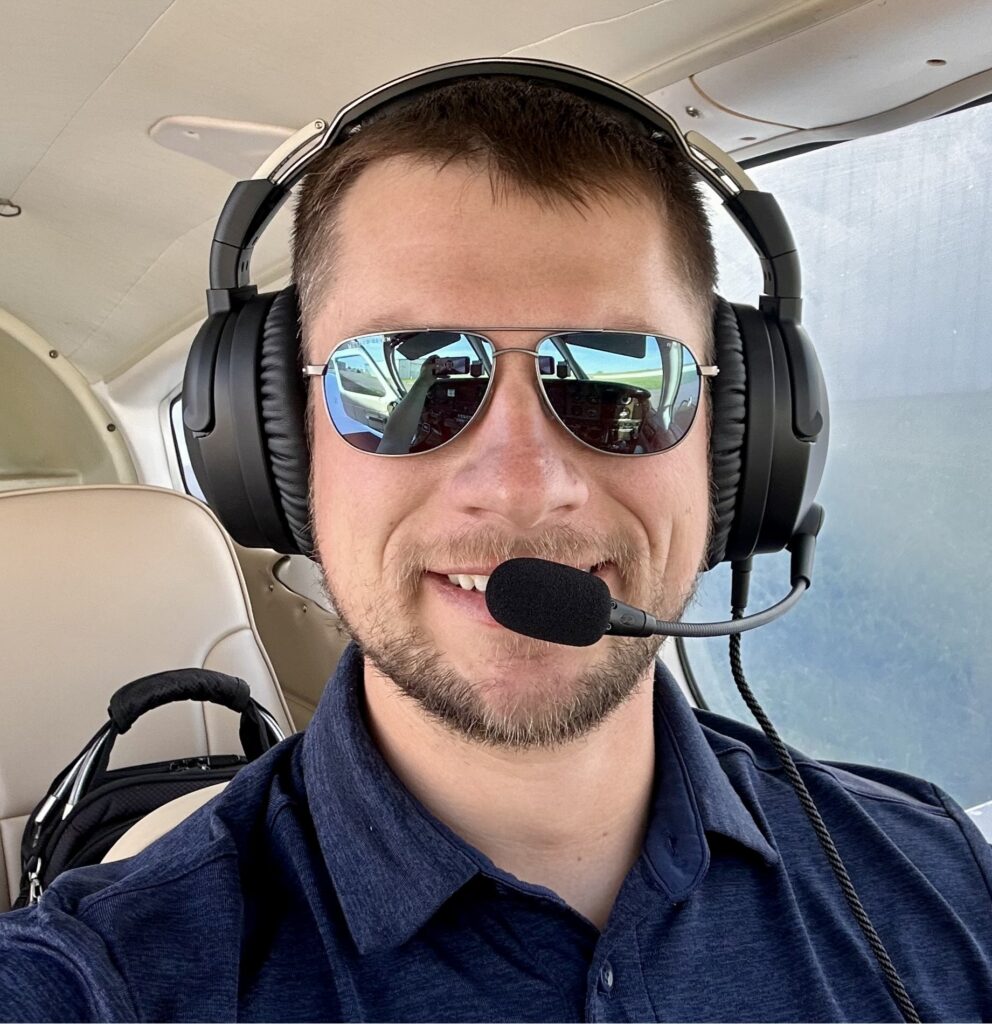
Ty Stender, who is currently pursuing his flight instructor certification, also advises:
Ask a lot of questions, whether you’re a student or an active pilot. Never quit learning.
He says one great way to keep learning is to plan flights that are fun, engaging, and get you out of your familiar airspace. Those flights will let you gain practical experience with maneuvers and weather in a way that will stick with you.
What Skills Should Pilots Practice Regularly?
Once you’ve been certified or achieved a new rating, make sure you continue to practice foundational skills to avoid skill fade. Carl Hancock, host of the Fly with the Guys YouTube channel points out
When we go for that next certificate or rating, you don’t realize that your examiner can ask you any questions that they want. You have to be prepared and ready for all of those things.
Key skills to brush up on include:
- Go-arounds
- Slow flight
- Landing checks
- Emergency procedures
- Short-field landings
One reason to keep these skills sharp would be in the case of having to initiate a go-around at the last second, you’re going to be in slow flight and will need to feel confident in these skills.
Is Practicing “Hands‑Off” Flying Important?
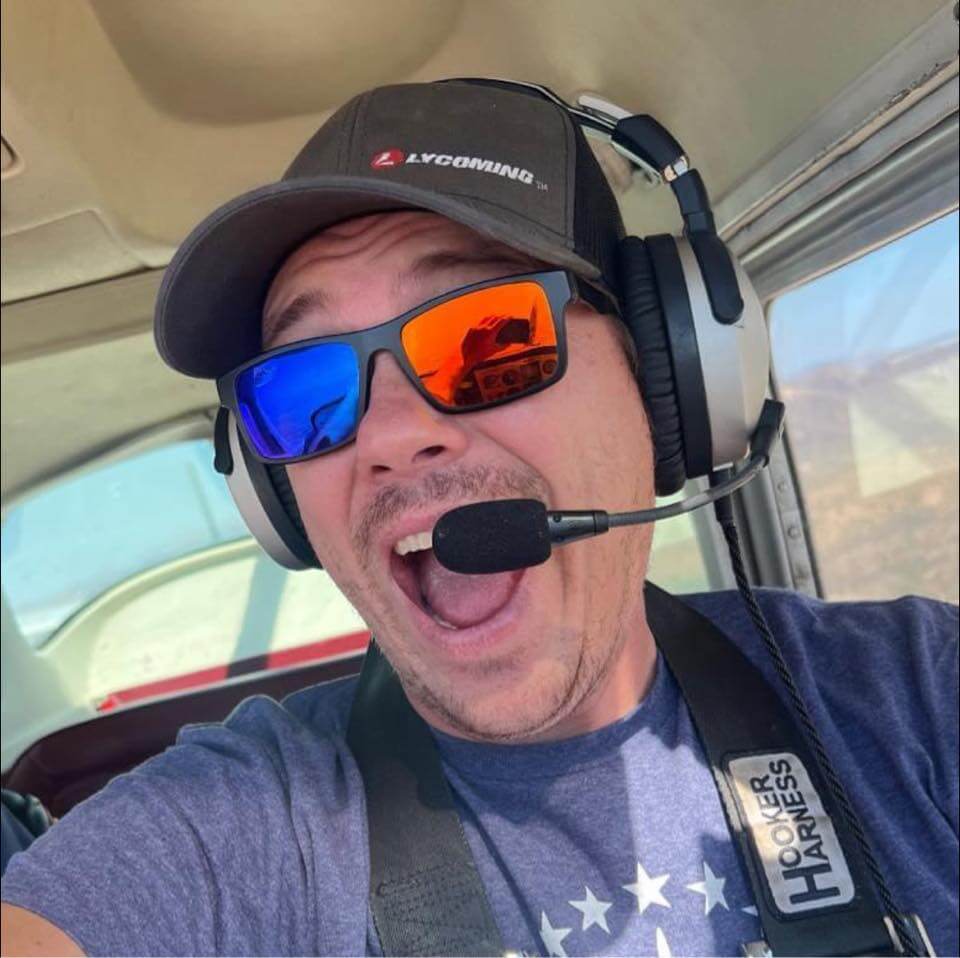
Pedro Fonseca Giafferis shared another tip that he had heard originally from an examiner:
Don’t use your hands. In straight and level flight, just trim the plane as best you can and then don’t use your hands… just use the rudder for minor adjustments.
Pedro says this is an amazing help for students who may be struggling with reading their maps and doing calculations while trying to maintain level flight.
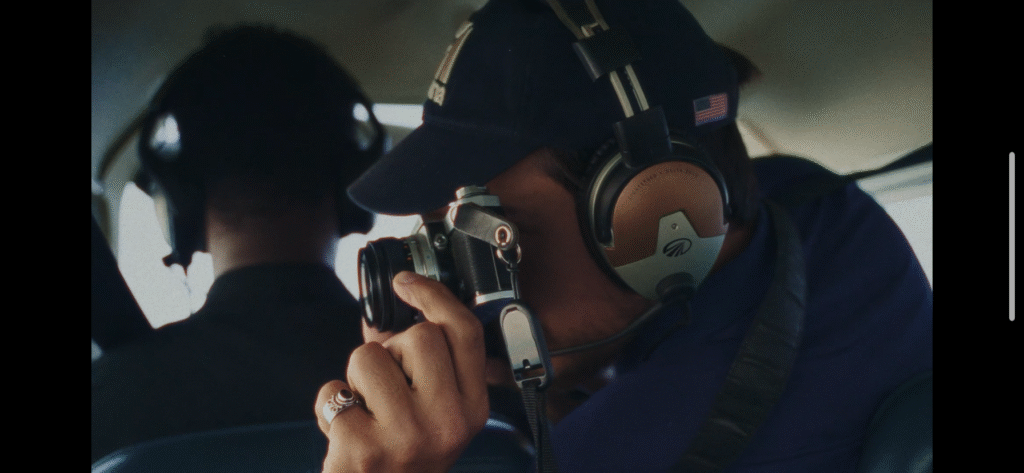
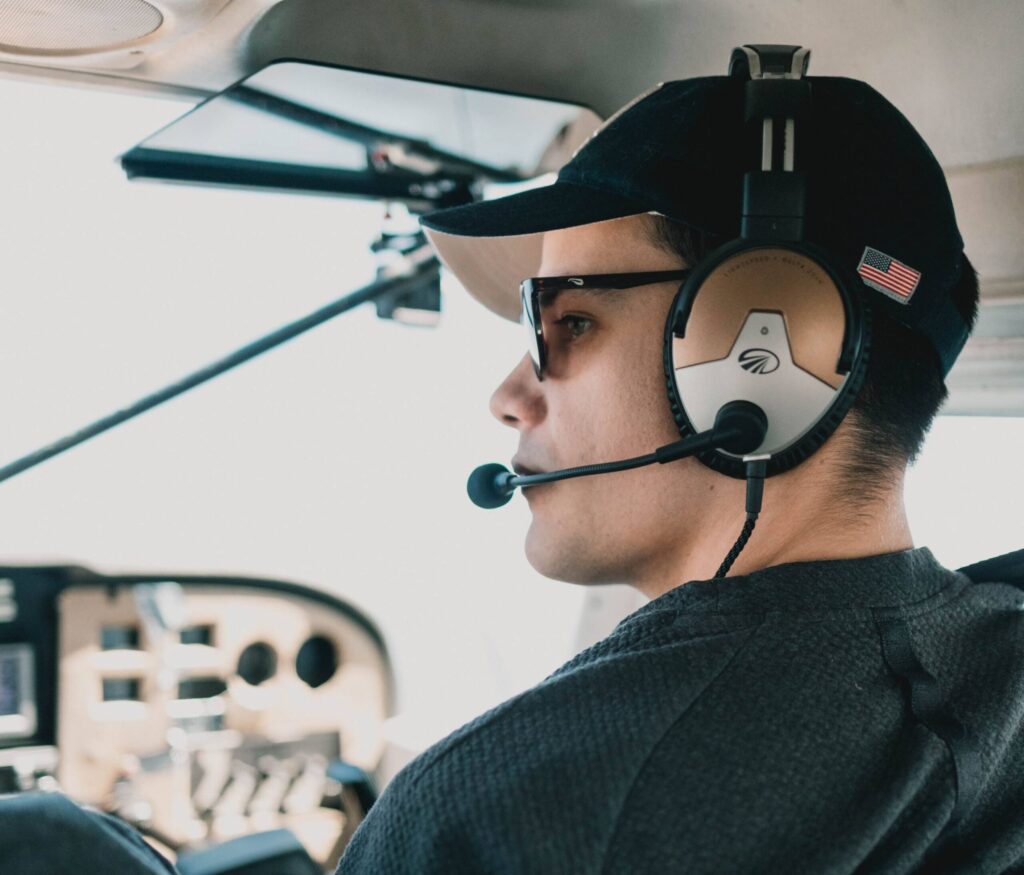
Why Should I Invest in a Premium ANR Headset?
Doing your homework helps ensure that time in the air is spent on flying skills and getting your required flight time. That said, flight instructors need to be able to instruct, and that means they need to be heard.
Jeff York said many students will start flying with the cheapest headset they can find and plan to reward themselves when they get their private pilot certificate, but they can shorten their flight training and actually save money by having a good headset.
The airplane’s a horrible classroom. The way you can make it a better classroom is by being able to hear clearly what your instructor and ATC are telling you.
Why Safety Should Be a Core Value for Every Pilot
No matter the pilot or the season, safety should be a core value for every pilot on every flight. As Tyler Koonce says,
If safety is your core value, you’ll see that every decision you make—how you do your pre-flight, how you assess the weather, how you talk to your passengers, how you make future career moves—it will all come back to safety, and that’s when you know you’re doing it the right way.

Be sure to Subscribe to the Lightspeed Aviation Newsletter for updates, resources, and future programs!