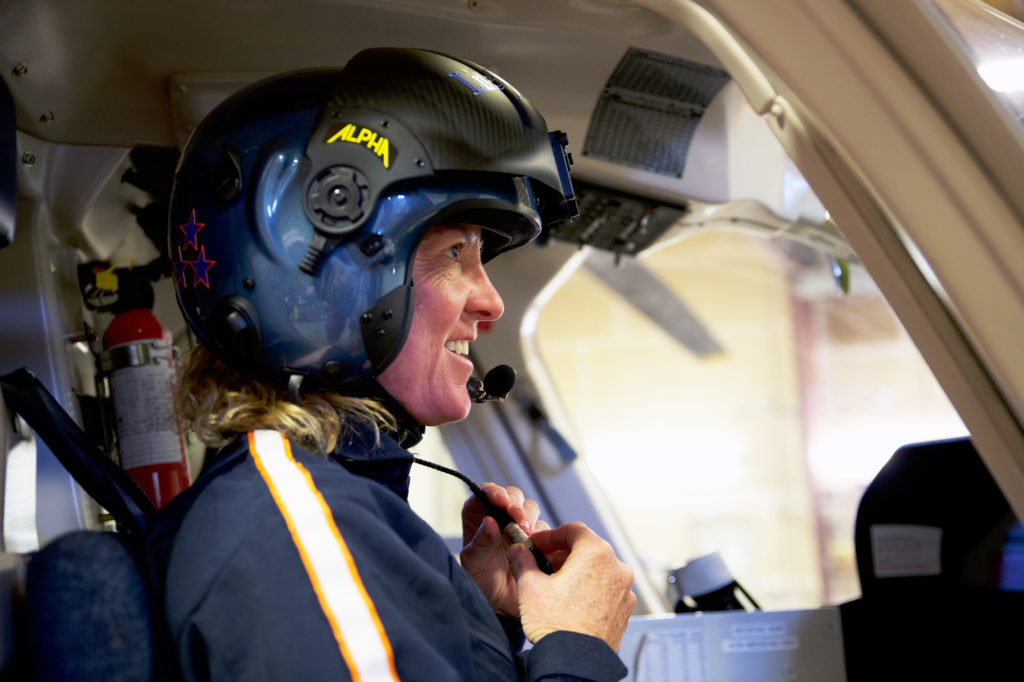
Anyone who’s accidentally gotten out of a cockpit with their helmet on knows how strong the comms line connection to the airframe can be. (Of course, this has never happened to you, but it might have happened to someone you know.) In fact, a direct‑to‑airframe intercommunication system (ICS) cord connection typically takes 70 pounds of pressure to disconnect, and that resistance can make the difference between life or death in an emergency situation, when a pilot needs to get out of the aircraft fast. That’s why the military has for years required an ICS cord configuration that allows the helmet to disconnect quickly and easily for quick egress, and why civilian pilots need the same.
Why Standard ICS Connections Impede Egress
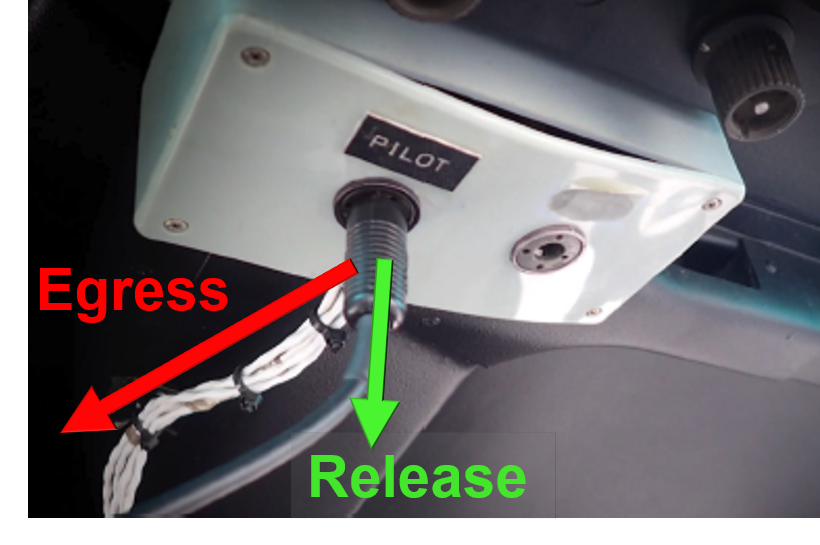
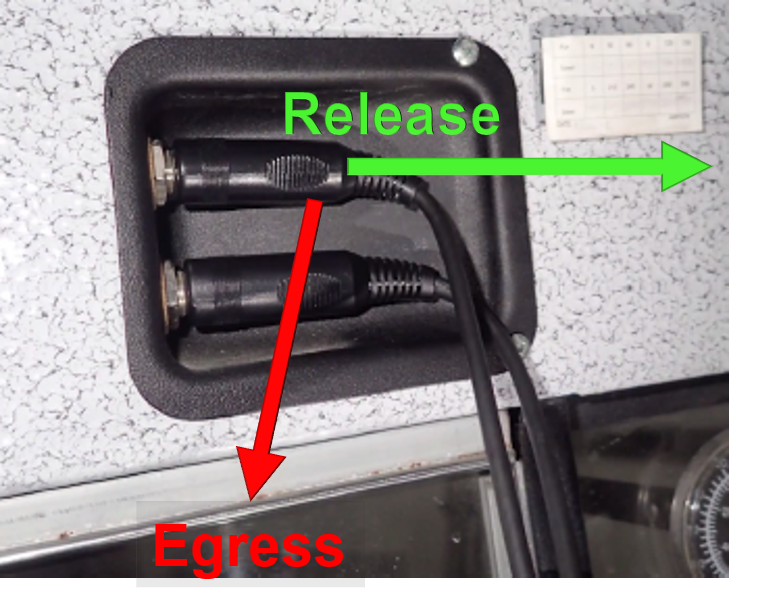
The issue is that helmet cord connections with the airframe are contrary to the direction of egress as shown in these two photos. The ICS cord plugs are typically parallel with the airframe, as shown in the photo below, or located above the pilot and perpendicular to the angle of egress, as shown on the right.
When Seconds Count
In an emergency situation such as a ditching, fire, or water landing, seconds count. As Dudley Crosson, flight safety instructor at Delta-P, says “Everything happens so fast. You’re trying to get out. You’re worrying about other people in the aircraft. Disconnecting the cord is such a trivial process, but people have been hurt severely because they couldn’t get out. They thought they were tangled, but they weren’t. The helmet cord was just pulling at the wrong angle.”
When an aircraft is going down, the helmet protects the pilot’s head and neck, and it provides some flotation in a water landing or ditching situation. But trying to disconnect the helmet’s ICS cord during an emergency exit, especially if there is water or smoke in the cockpit or if the pilot is injured, can cost precious time.
In fact, the NTSB has documented at least two incidents where direct-to-airframe connections impeded egress. In both cases, helicopters went down in water, and in both cases, subsequent investigation showed that the pilots were impeded in exiting the aircrafts by their helmet cords. One was able to remove his helmet and surface. The other escaped after pulling so hard that the end fitting on the cord was fractured. After post-accident testing, NTSB investigators concluded that fracturing the connections took 70 pounds of force. Adrenaline is a powerful thing, but this is more force than a drowning, injured, or disoriented pilot might be able to exert.
Quick Disconnect for Safety
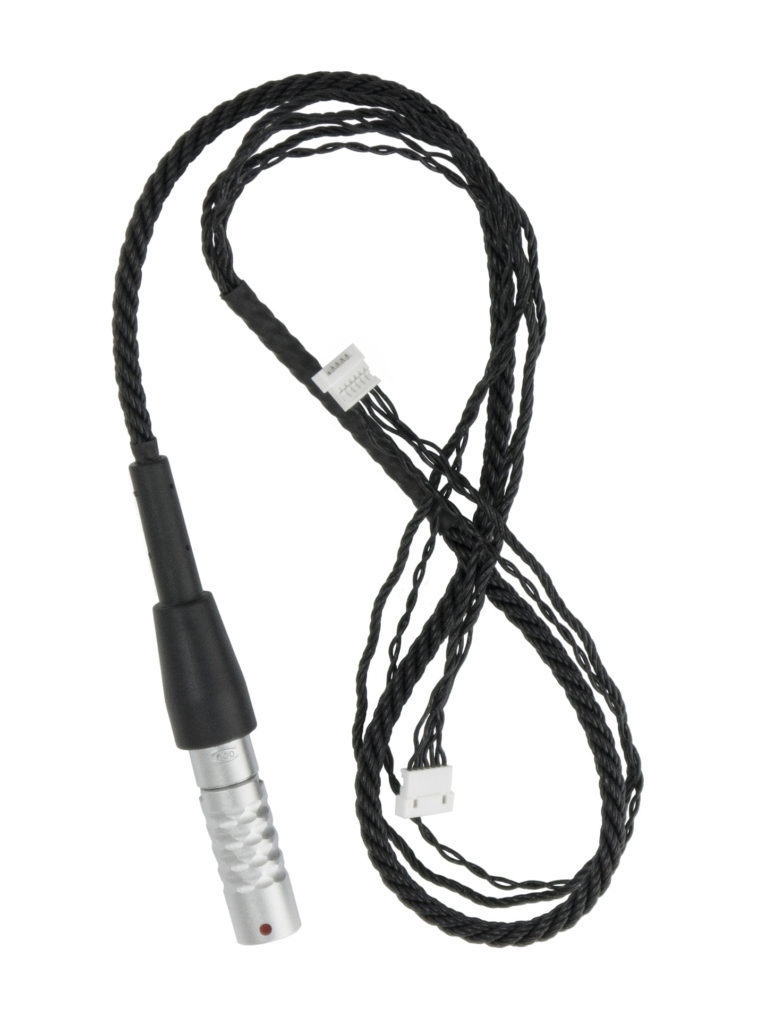
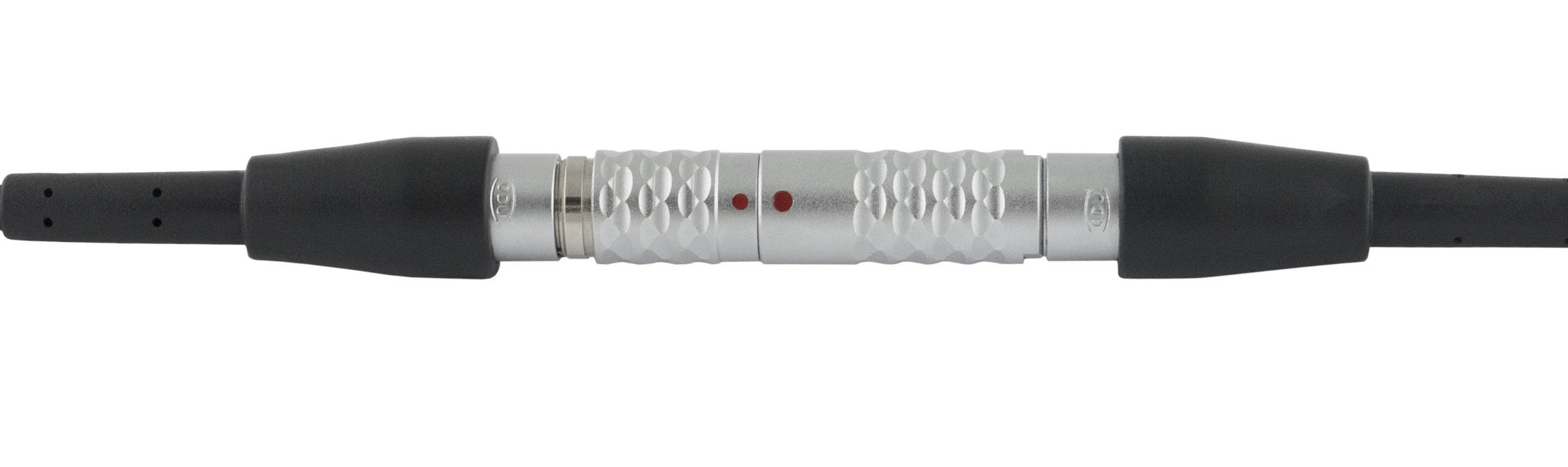
Crosson says the military recognized the issue of direct-to-airframe ICS connections years ago and now requires auxiliary cords that will disconnect easily and automatically as a pilot leaves the aircraft. The NTSB agrees: in 2017, they issued a safety alert recommending that all pilots use an intermediate cord between the ICS cord and the airframe.
Lightspeed ANR systems for helmets are designed to meet this recommendation, with an integrated “quick disconnect” that will automatically break free as a pilot exits the aircraft with no noticeable drag from the connection to the panel. The Quick Disconnect cables and fittings require only 9 pounds of force to release, allowing a “hands free” emergency egress. (Integrated Bluetooth also provides a backup communication channel for emergencies.).
While pilots should expect excellent communications performance from their ANR system, safety is what’s important when the chips are down. With Lightspeed ANR, pilots can count on outstanding comms and audio performance from their helmet systems. And in an emergency, the Quick Disconnect frees them to concentrate on the only thing that counts in that moment: getting out safely.
You can see other features of Lightspeed Zulu H-Mod and LSA 56ANR helmet systems here and find an installer to fit your helmet with the right ANR system for you.