
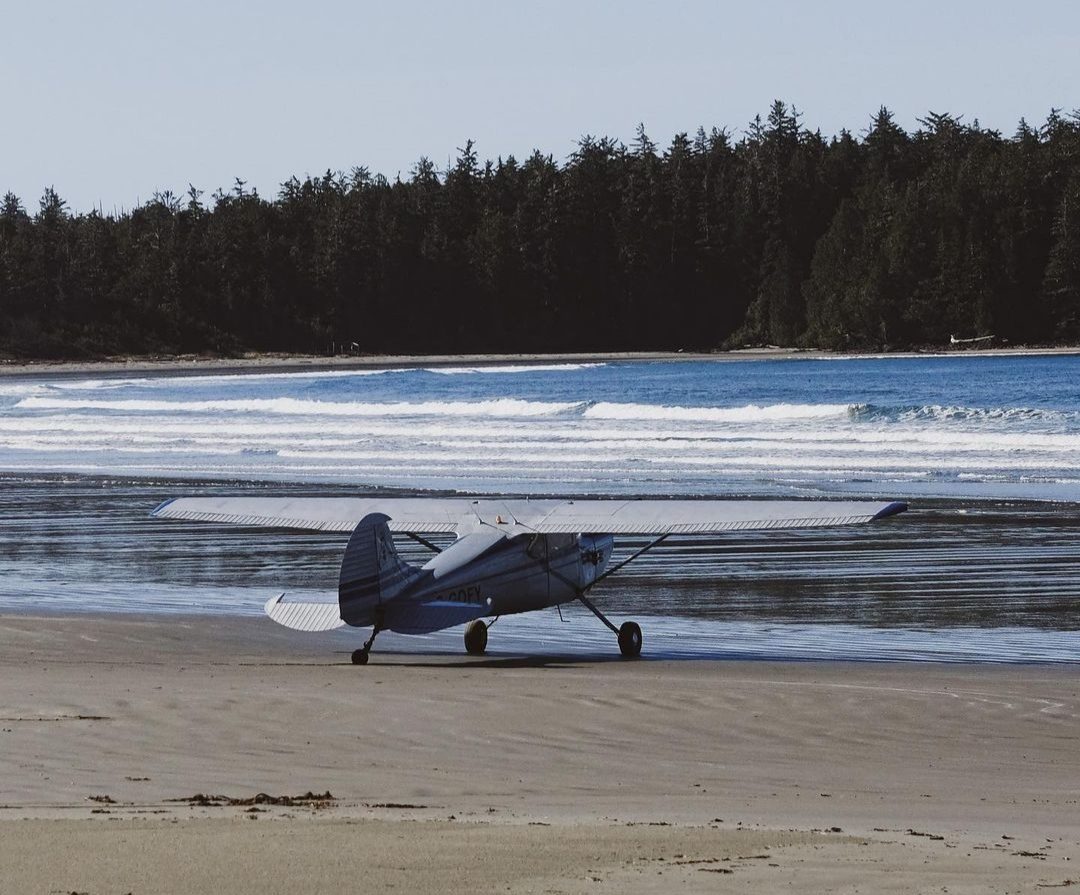
Every pilot has to be ready to handle an off-airport landing in case of an emergency. But for many general aviation pilots, off-airport and off-airstrip landings are a job, an act of service, and/or a passion. In a new series of blogs, “Landing There,” we’ll talk to pilots who regularly land in remote places, on soft fields, in the mountains, and on water, and get their recommendations and perspectives on unusual landing sites and how to handle them.
The first pilot we talked to is Alexis Thind, a commercial and multi-engine pilot from Whistler, British Columbia. Alexis was applying to law schools, when her late father, an Air Canada pilot, encouraged her to try flying. As he had predicted, flying tapped into her sense of adventure, and Alexis soon realized that her future lay in the skies. Alexis currently volunteers with Hope Air, which provides free medical transport to residents in rural and remote locations around Canada. The work has taken her all around western Canada and as far as the sub-Arctic, places where she could spot polar bears and beluga whales from the air.
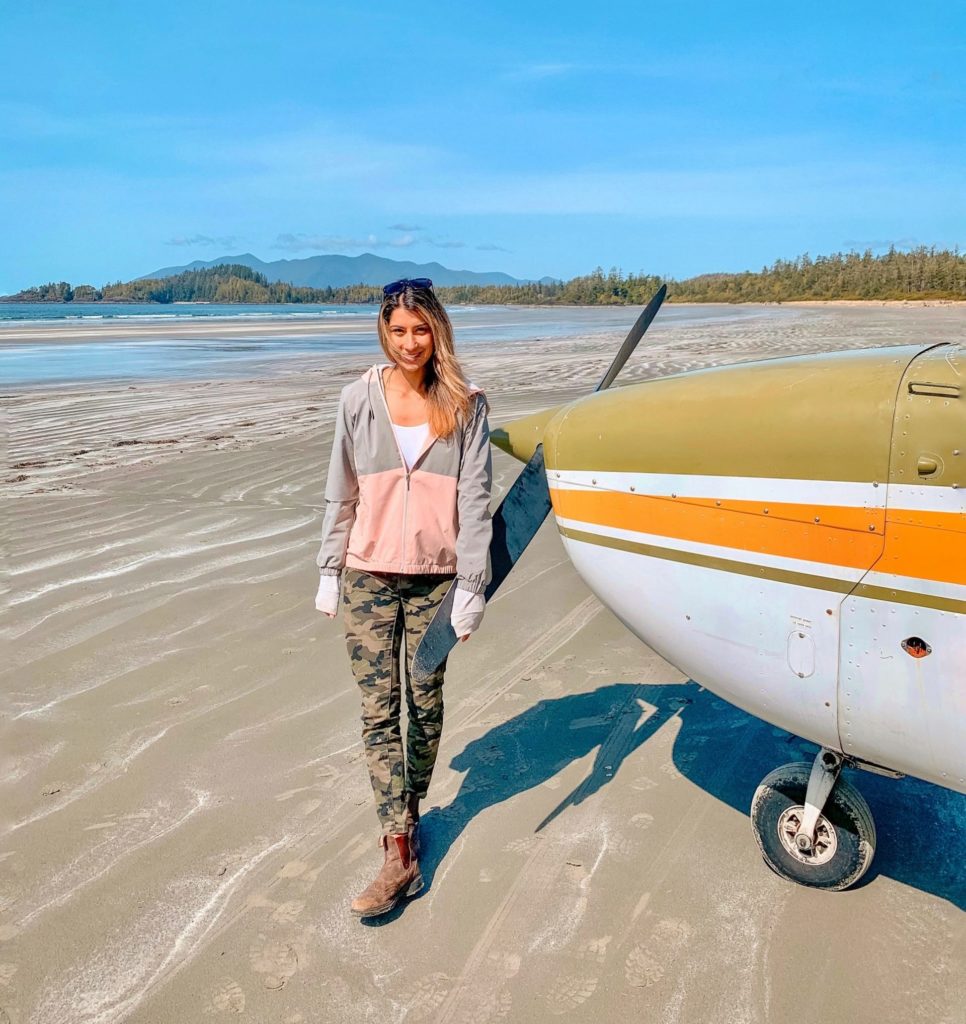
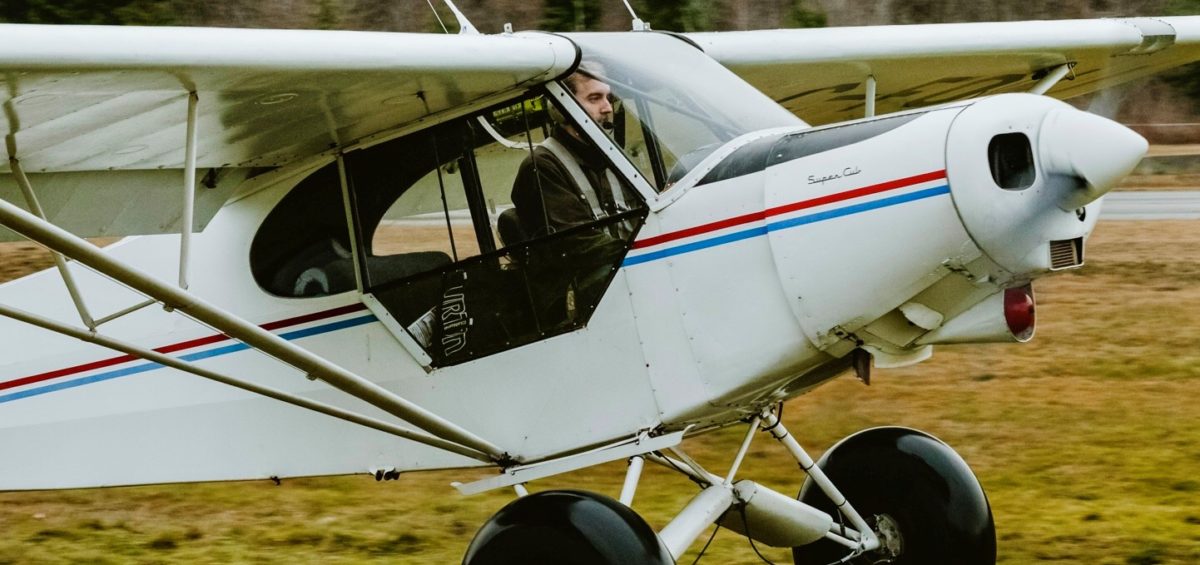
To get a private pilot’s license, Transport Canada requires flyers to do soft-field landings, short-field landings, and soft/short landings in exams. So, Alexis always takes the opportunity to practice off-runway landings in her Cessna 172. British Columbia offers exceptional opportunities to practice because there are so many places to do off-airport landings, from gravel bars in rivers to a gravel airstrip next to Alexis’ local golf course.
Alexis values the practice because “These landings require judgment, and they use all your skills as a pilot.” There’s a lot to think about: “On the first, high pass over the site, you check wind direction and look for any obstructions. If there’s no airstrip, there won’t be windsocks, so you have to watch tree branches, the direction of smoke blowing, or waves and ripples on water to gauge the wind direction. Then, on the low pass, you time to see if there’s enough length to land and to take off again. You see what kind of surface there is, and you figure out the best spot to put the tires down. Finally, you make a normal circuit and land. (At the golf course, they’ll pick you up in a golf cart and take you to the clubhouse for lunch, so that’s fun!)” One of her other favorite flight destinations is Tsuniah Lake Lodge, north of Squamish, B.C. “It’s beautiful, peaceful, totally off the grid, and you can camp under your wing.”
Before an off-airport landing, Alexis says you want to make sure your oleos are built up and your tires are in good shape. Never land without a plan for take-off. And she stresses that, when doing an off-runway landing, you always want to file a flight plan, which can be tricky if the location is out of cell phone range. You can close it on the radio once you’ve landed, but ideally, you want to call before you land, in case you have problems on landing.
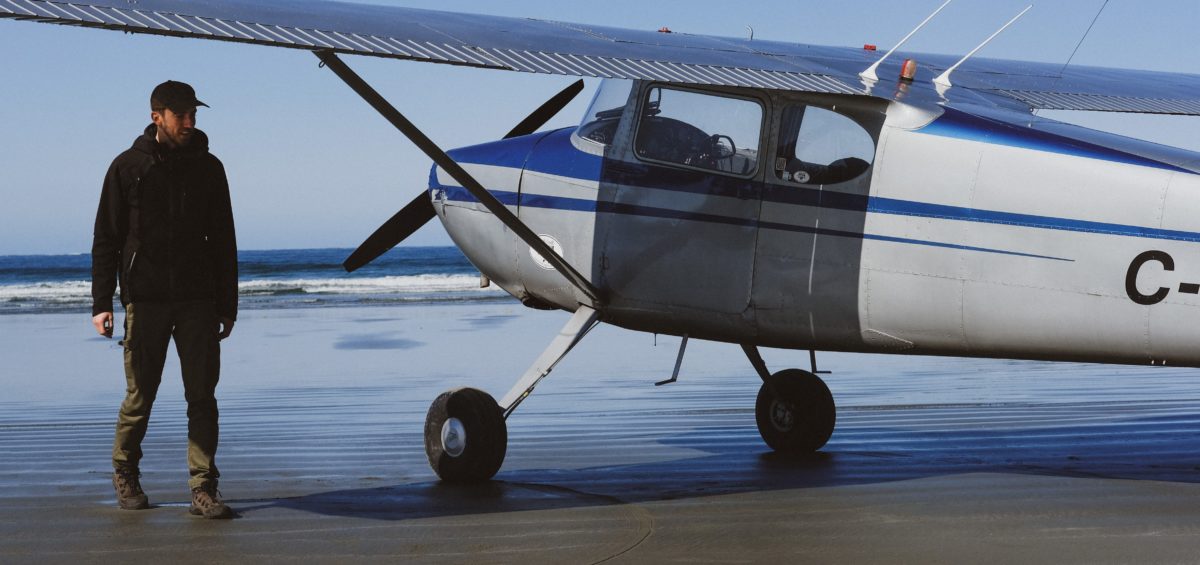
Landing on a beach requires some additional steps: checking tide charts beforehand and assessing sand conditions carefully on the low pass, so you don’t land in dry, soft sand or in sand so wet the tires sink. You also don’t want to land with your carb heat on and get sand in your engine. How nervous was Alexis landing the first time on a beach? “Very nervous, but it was thrilling!”
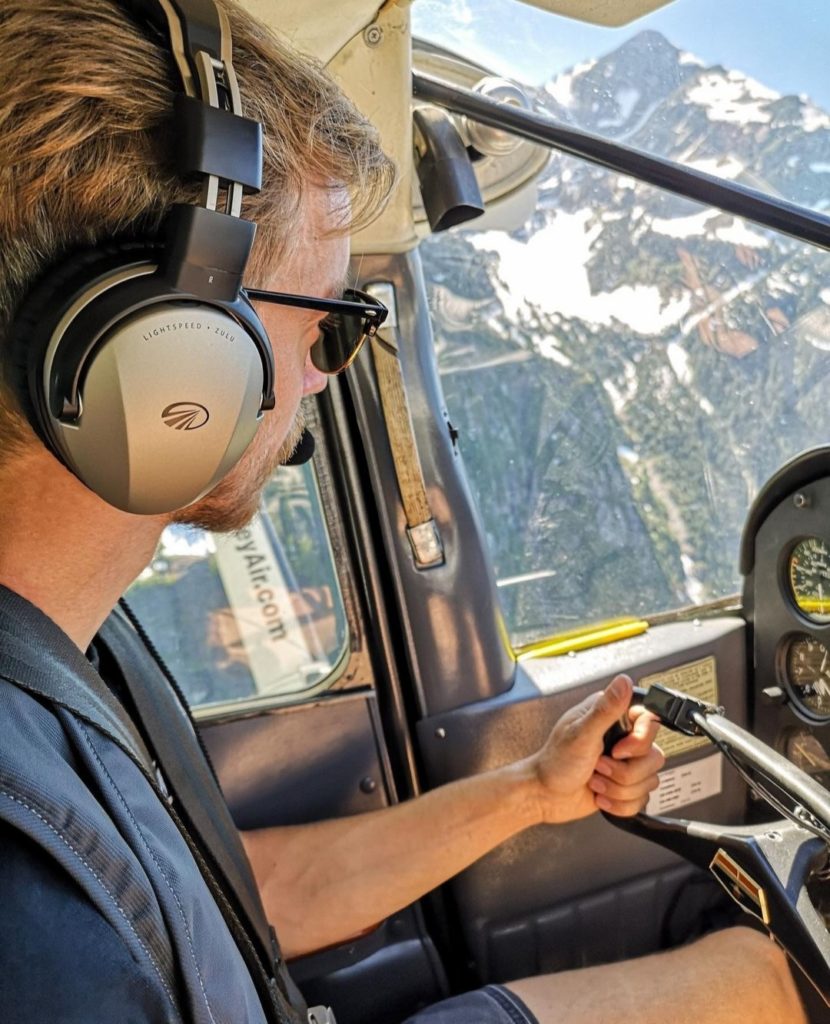
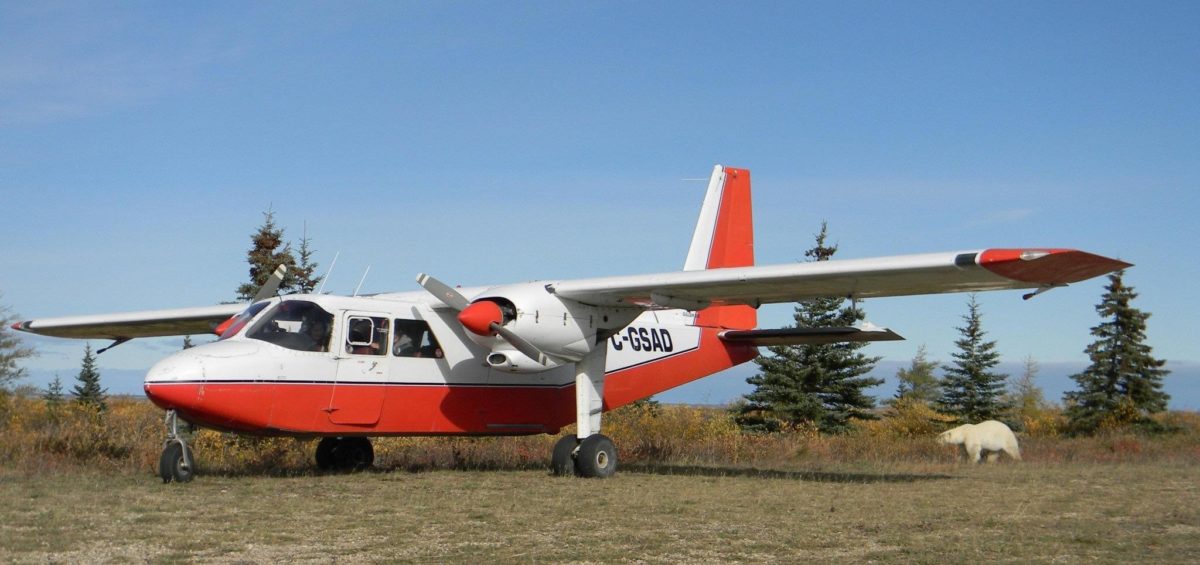
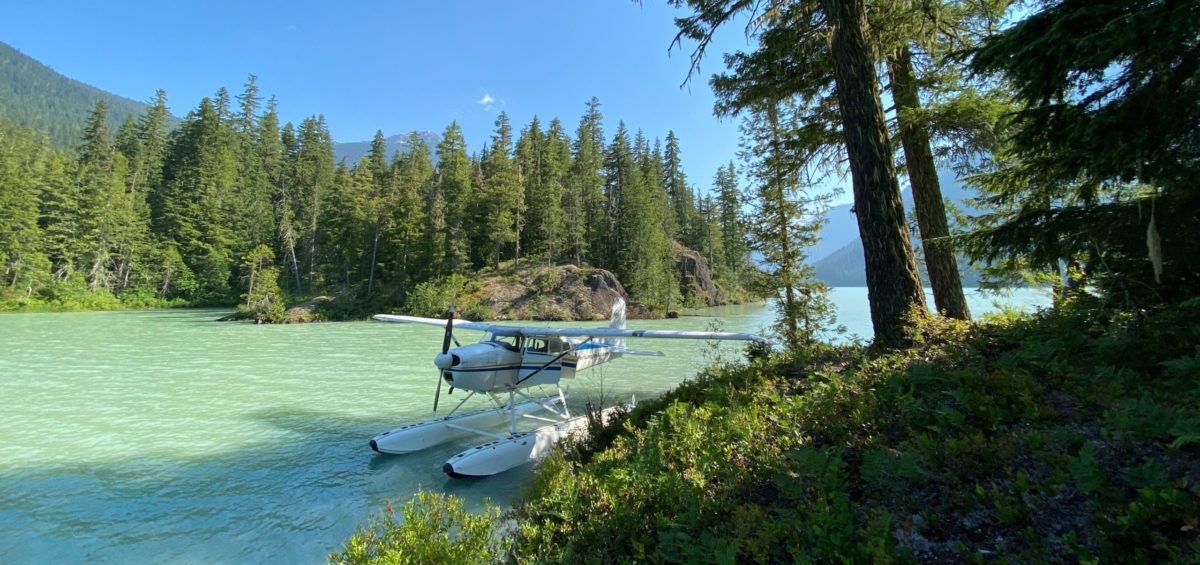
In addition to working on her multi and IFR ratings, Alexis is halfway through getting her floatplane rating, a useful skill in British Columbia. She’s studying with instructor and Air Canada pilot Sam Daigle (who made international news at age 18 by solo-flying a 1946 Piper J3-Cub from the Yukon to Quebec.) He’s since flown for fishing charters, flown tours to see polar bears in Northern Manitoba, where he has had to scare polar bears off the runway on the first pass, then land on a “banana-shaped” airstrip, and piloted a Dash-8 for King Air out of Montreal before landing a job at Air Canada.
Like Alexis, Sam loves the adventure of off-airport landings, being able to discover places few people have visited, going into nature, and seeing beautiful things. He also values the skill and confidence that come with landing in unusual places. “It’s all in the practice and knowing your airplane. Focus on knowing the density altitude of where you’re landing. Do an inspection pass and really assess the terrain and surface conditions. For example, in a floatplane, ice underwater can damage the float and make it impossible to take off. Think about whether you can get out before you land. Use your inspection pass to see if a docking place is available.”
Sam says the most common mistake less experienced pilots make is misjudging whether a spot is long enough to land and get out. “There are ways to tell, if you do everything step by step and err on the side of caution. Start with larger spots and work down as you get more experience. Don’t try to be a hero because that’s when accidents happen. Even if you have your license, start out doing these off-airstrip landings with an instructor that knows what they’re doing. Getting your license is just the beginning of becoming an experienced pilot. Think of it as your ‘license to learn.’”
To Alexis, it’s a journey worth taking. “Practicing these remote landings makes you a really good pilot. You have to be super on the rudder, super on the wind, and pay attention to detail. At first, it’s a little terrifying. But take every opportunity, master it, and you’ll get to see places you’d otherwise never have seen.”

Great article. Practice make perfect, or helps getting them at least! Can’t wait to go back flying with your tops in mind! Precautionary landing practice, est to go! Love my Lightspeed Sierra headset. Will fly next weekend with ‘off airport landing’ in mind in my C150.