
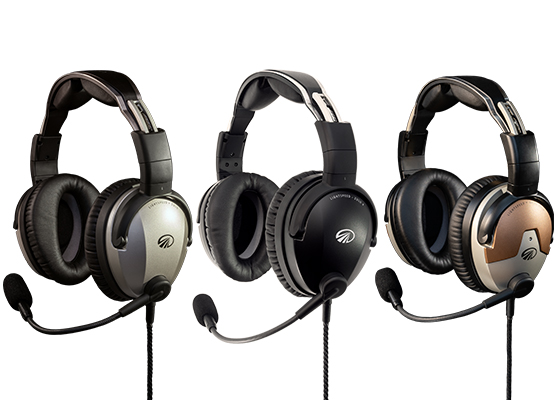
Find the Best Aviation Headset for You
It’s Time to Expect More from Your Headset
We are often asked, “What’s the best aviation headset for me?” And our answer is, “It depends.” Your headset is an essential piece of flight equipment, so it’s critical to find the right headset that fits your needs. At Lightspeed, our name is a promise that you can expect more. Crisp, clear audio that inspires confidence. All-day comfort without fatigue. Superior ANR and fully customizable audio that delivers in an environment where every decibel and frequency counts. And when it matters most, groundbreaking in-cockpit safety technology that could save your life.
So how are you supposed to figure out which one is right for you and your mission? Hopefully, these guides will help you understand what the benefits and features are in each of our headsets, as well as our competitors. If a Lightspeed headset can do more, why settle for less? Compare headset options and unique feature sets with the charts below.
Compare Lightspeed's Premium ANR Headsets
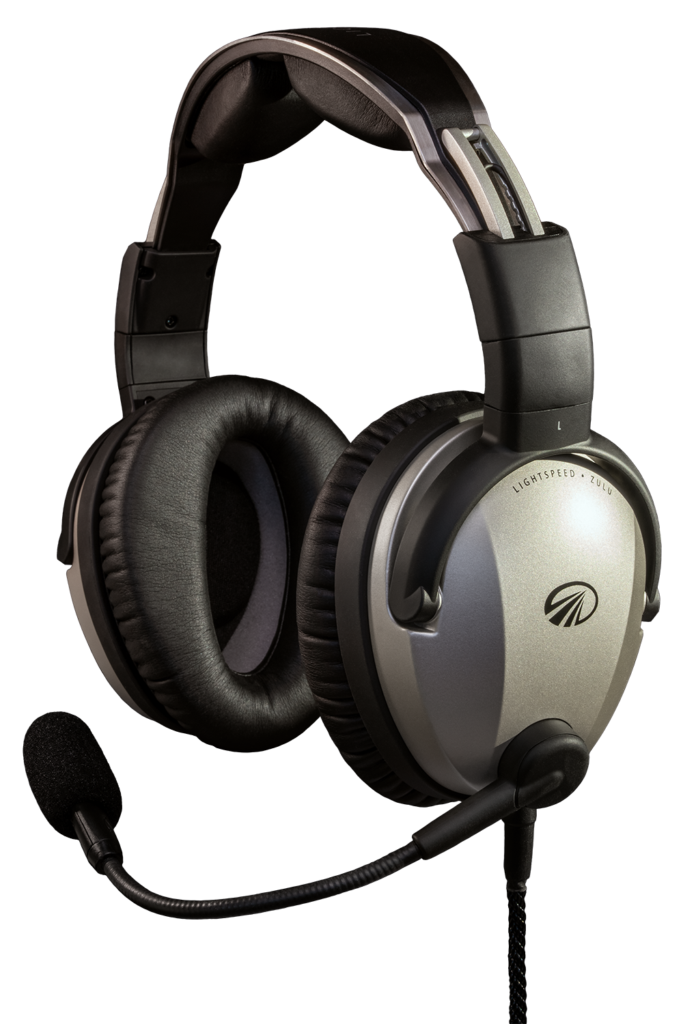
Zulu 3
Active Noise Reduction (ANR)
Comfortable fit
Multiple plug configurations
Bluetooth connectivity
Kevlar cable
Magnesium ear cups
7-year warranty
Zulu 4
Active Noise Reduction (ANR)
Comfortable fit
Multiple plug configurations
Kevlar cable
Magnesium ear cups
7-year warranty
10% Longer Mic Boom
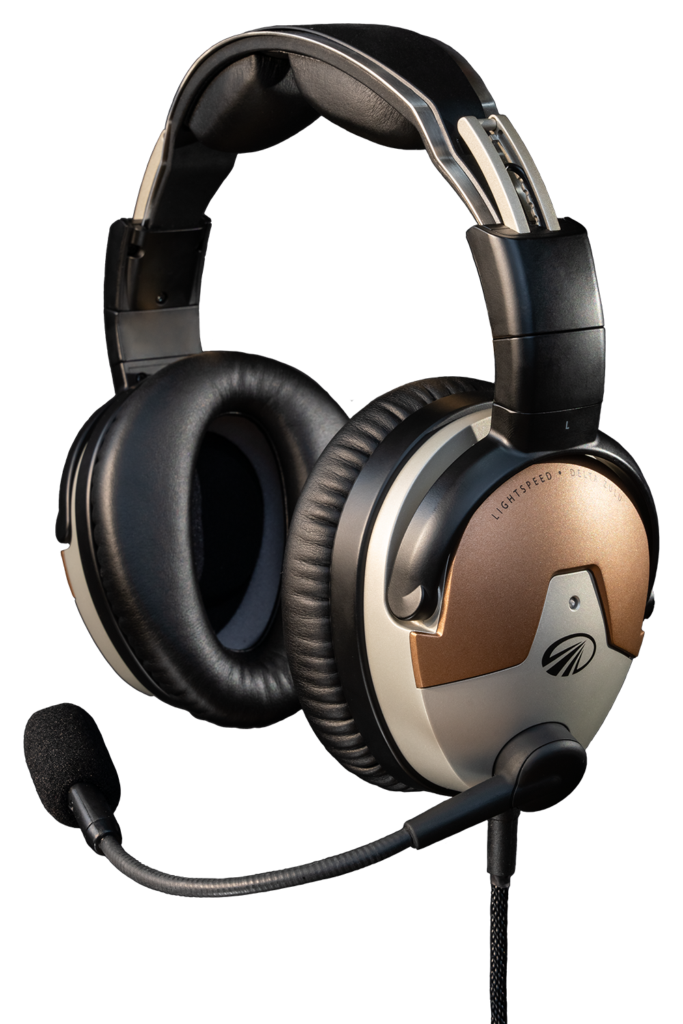
Lightspeed Delta Zulu®
Active Noise Reduction (ANR)
Comfortable fit
Multiple plug configurations
Bluetooth connectivity
Kevlar cable
Magnesium ear cups
7-year warranty
Carbon monoxide sensor
Interchangeable lithium ion + AA battery power
How Lightspeed Compares to Competitors
Two other common manufacturers in the aviation headset market are David Clark and Bose. Both companies have several aviation headsets available, but their flagship headsets are the DC ONE–X and the Bose A30. Both of these premium headsets are most comparable to the Zulu 3 and Zulu 4 and lack many of the advanced features of the Lightspeed Delta Zulu ANR headset.
DC ONE-X®
Active Noise Reduction (ANR)
Comfortable fit
Multiple plug configurations
Bluetooth connectivity
Reversible mic boom
Voice recording with app
Kevlar cable
Plastic ear cups
5-year warranty
Carbon monoxide sensor
Interchangeable lithium ion + AA battery power
FrameFit™ Ear Seals
Bluetooth Vocal Isolation
Bose A30®
Adjustable Active Noise Reduction (ANR)
Comfortable fit
Multiple plug configurations
Multipoint Bluetooth connectivity
Reversible mic boom
Voice recording with app
Kevlar cable
Plastic ear cups
5-year warranty
Carbon monoxide sensor
Interchangeable lithium ion + AA battery power
FrameFit™ Ear Seals
Bluetooth Vocal Isolation
How to Choose the Best Aviation Headset
1. Noise Reduction
- Passive Noise Reduction (PNR): Passive aviation headsets rely solely on the sound dampening properties of the earcups and ear seals (as well as the size of the ‘isolating cavity’ around your ears formed by the earcups) to reduce the amount of noise reaching your ears. When evaluating PNR headsets, pay attention to the standardized Noise Reduction Ratings (NRR). A good PNR headset should have a rating of 22-24 NRR which is generally plenty noise protection for a GA aircraft cockpit.
- Active Noise Reduction (ANR): Aviation headsets with ANR use microphones and electronics to cancel out ambient noise, especially the low-frequency drone of the engine which can cause mental and physical fatigue over long flights. In addition to having superior noise reduction and improved clarity, ANR headsets are also typically lighter, less bulky, and more comfortable to wear.
- To learn more about the differences between PNR and ANR, read our article Passive vs Active Noise Reduction in Aviation Headsets.
2. Comfort
- Weight and clamping force: A lightweight headset with an adjustable headband is crucial for long flights. A headset that feels good for 5 minutes may not feel so good after 5 hours, so make sure it fits your head properly, that it’s clamping enough to maintain a good seal without causing long-term discomfort, and that the headband is adequately cushioned.
- Ear seals: Proper fit around the ears is important for both noise reduction and comfort. If the ear seals don’t seal properly, it can negatively affect the active noise reduction capabilities of your headset resulting in an unpleasant pulsating sound. Your headset’s ear seals should also provide ample room for your ears. If the ear seal is pushing against the back of your ear, that pressure compounded over hours of flying can get painful.
3. Durability
- Earcups and headband: Aviation headsets are an important investment as a pilot, and they should last for years. Pay attention to the materials used in the headset’s construction. Is the headband plastic or more durable stainless steel? Are the earcups made of plastic or magnesium (which does a better job of blocking out high-frequency noise)?
- Cord: One of the first things that tends to wear out and break on headsets is the cord. Over time, headset cords take a lot of abuse as they get yanked, bent, twisted, or even slammed in the cockpit door. Look for a headset with a cord that is built to last. Lightspeed’s headset cords consist of braided Kevlar-core tinsel wire which makes them incredibly flexible and durable.
4. Budget
- Aviation headset prices vary from around $300 for a PNR headset to over $1,000 for premium ANR models. Determine your budget, and make a list of the features that are most important to you. If the headsets that meet your feature requirements are outside of your budget, consider taking advantage of payment plan that allows you to buy now and pay later (such as Lightspeed’s partnership with Affirm).
- To learn more, read our article Why Are Premium Headsets “So Expensive?”.
5. Features
- Ergonomics: Features like headband adjustability, earcup and headband padding, earcup cavity size and design, clamping force, and microphone placement can make or break a headset. Prioritizing a lightweight, well-balanced headset with adjustable components can lead to a more comfortable flying experience.
- Technology: Find the right mix of technological features you need from the essential (Active Noise Reduction, audio quality), to the convenient (multipoint Bluetooth connectivity, rechargeable batteries), to the next-level (AI vocal isolation, hearing loss compensation).
- Safety: Lightspeed was the first to introduce life-saving safety features to aviation headsets with the Lightspeed Delta Zulu® which has a built-in carbon monoxide monitor and warning system turning an already essential piece of equipment into a the first line of defense against disaster.
6. Try before you buy
- With something as personal as comfort and fit, it’s important that you actually try on the headsets before making a decision. Many aviation retailers have multiple headset models that you can try on and compare side-by-side to make sure you’re getting the best fit. You can also take advantage of programs like Lightspeed’s 30-day money-back guarantee. If after trying out a Lightspeed headset you are not completely satisfied for any reason, you can return it for a full refund.
Key Aviation Headset Features
Bluetooth Multipoint Connectivity
Connect two devices simultaneously using Bluetooth wireless technology with A2DP enables cell phone communications, stereo music streaming, and alerts from aviation apps.
Voice Recording with App
Connect to the Lightspeed Aviation App via Bluetooth to record incoming and outgoing communications, playback transmissions, draw diagrams, and archive flight recordings onto your phone or mobile device for post-flight briefing and training.
Kanari® Smart Alert Technology
Built-in carbon monoxide sensor that is always on and always monitoring cabin CO levels, the Kanari Smart Alert system is optimally calibrated to provide audible and visual warnings at preset or user defined CO thresholds.
FrameFit™ Ear Seals
Our innovative FrameFit™ performance ear seals are designed with dual-density foam to better seal around eyeglass or sunglass frames, for unrivaled comfort and clarity no matter what you wear. Cup cavities allow the entire ear to fit comfortably inside.
Bluetooth Vocal Isolation
Enhanced upstream audio ensures up to 90% reduction of background noise in outgoing transmissions sent over Bluetooth. Whether making phone calls from the air or connecting with ATC from the ground, your voice comes through crisp and clear.
HearingEQity®
Based on results from a custom 12-frequency hearing test in the new Lightspeed app, HearingEQity automatically adjusts the Lightspeed Delta Zulu to optimize every ATC call and conversation specifically for your individual hearing profile.